
Blogs
How Realistic Are Spy Gadgets in Novels? Fact, Fiction, and Suspense

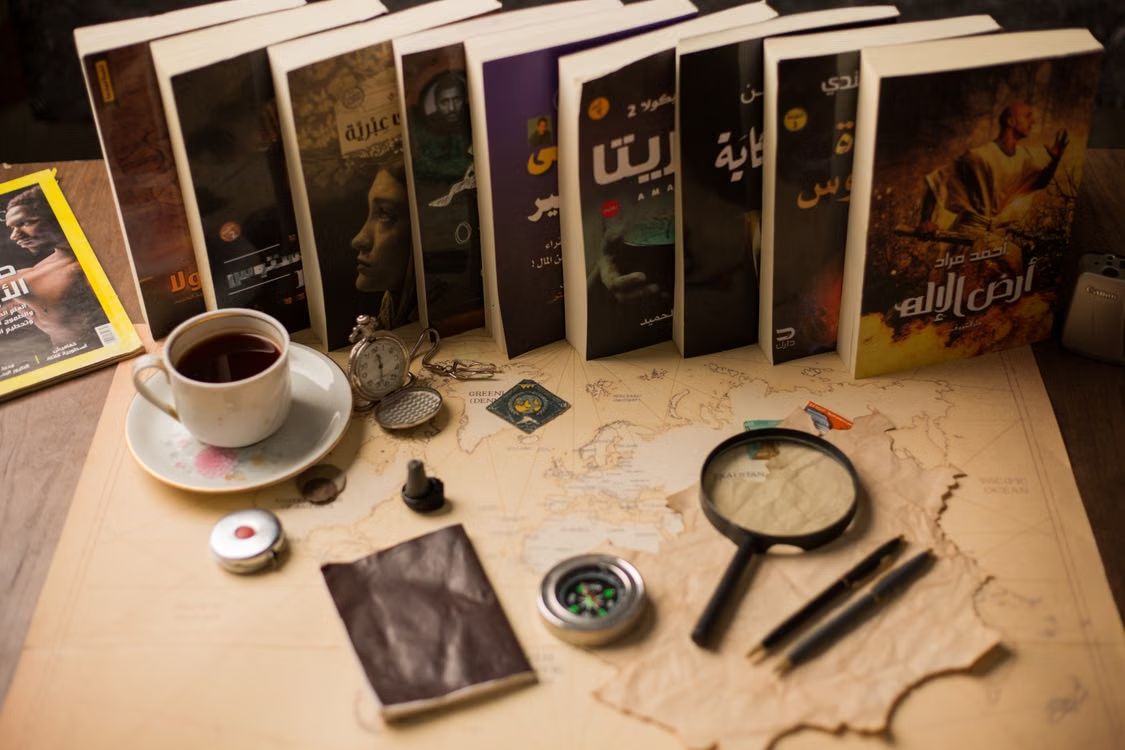
How realistic are spy gadgets in novels? The answer depends on the kind of story being told. Some espionage novels lean toward grounded tradecraft, while others use advanced tools to heighten danger and imagination. Readers usually accept both approaches when the gadgets serve the story instead of replacing it.
Fiction simplifies technology
Spy gadgets in novels often compress complex technology into simple, dramatic tools. Real surveillance, encryption, tracking, and communications systems usually involve teams, infrastructure, legal approvals, and technical limitations. Fiction simplifies these elements so the reader can focus on tension rather than procedure.
Some gadgets are inspired by real tools
Many fictional gadgets are not pure fantasy. Concealed cameras, encrypted phones, signal jammers, GPS trackers, drones, biometric systems, and listening devices all have real-world counterparts. The difference is that novels often make them faster, smaller, and more reliable than they would be in practice.
Limits create better suspense
A gadget is more interesting when it can fail. Batteries die. Signals drop. Encryption takes time. Facial recognition can misidentify people. A drone can be seen or jammed. When authors give technology limits, scenes become more tense because characters must improvise.
Tradecraft still matters
Realistic spy fiction usually balances technology with human skill. A gadget may help track a target, but it cannot replace judgment. An operative still needs cover, timing, observation, and the ability to read human behavior. The best novels use gadgets as tools, not magic solutions.
Readers accept drama when the rules are clear
Readers do not always need perfect realism. They need consistency. If a novel establishes what a device can and cannot do, the audience will usually accept it. Problems arise when technology solves every obstacle too easily or appears only when the plot needs a shortcut.
The best gadgets reveal character
A gadget should do more than look impressive. It can show how a character thinks. A careful operative uses tools quietly and sparingly. A reckless character may overdepend on technology. A villain may use surveillance to control others. In strong fiction, devices support theme and characterization.
Conclusion
Understanding how realistic are spy gadgets in novels helps readers see why espionage fiction remains so compelling. The genre works when secrets matter, characters face pressure, and each discovery changes the danger ahead. Whether a story is realistic, cinematic, or somewhere in between, the strongest spy thrillers keep readers asking one question until the end: who can be trusted when the truth is hidden?